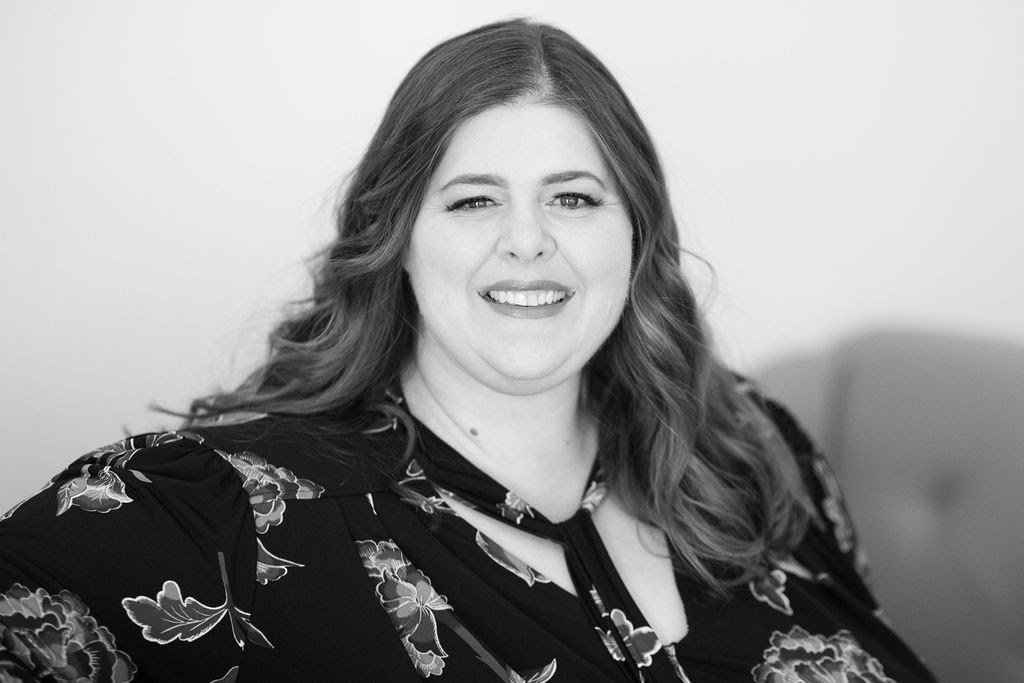
My Background
My own struggle with food began in early childhood. I have spent decades working on my recovery from food addiction. I have studied psychology, learned about human needs, and slowly recognized how many of those needs I had been trying to meet through food.
That personal work eventually drew me toward a career in counseling. I earned a bachelor’s degree in psychology and a master’s degree in addiction counseling, and I have spent more than 11 years in addiction counseling, working with people facing addiction and compulsive patterns. What I have seen in my work is the same core dynamic I experienced with food. They, too, had a real need, used substances as a quick substitute, and found it incredibly difficult to understand why they kept doing it. My experience with food and theirs with substance addiction told a similar story.
I have studied nutrition for decades, trying to understand the physical side of my health challenges. Over time, the personal, clinical, and nutritional threads began to weave together. The idea of distinct types of hunger started to take shape years ago, and by January 2026, I had identified six distinct types of hunger and started working toward creating a program to increase awareness and the ability to choose consciously.
Then one morning in April 2026, I went for a walk. A short distance from home, I was struck by an intense, urgent feeling: I had a desperate need to eat right now, or something bad would happen. I had been deep in the work of mapping the hunger types that morning, and I knew this feeling was not any of the six I had already named. I had also just checked my blood sugar and ketone levels a few minutes before I left the house, so I knew it wasn’t likely an actual physical need for food. I used breathing and a tapping technique to calm myself, walked home, and spent a long time writing, trying to understand what I had just experienced.
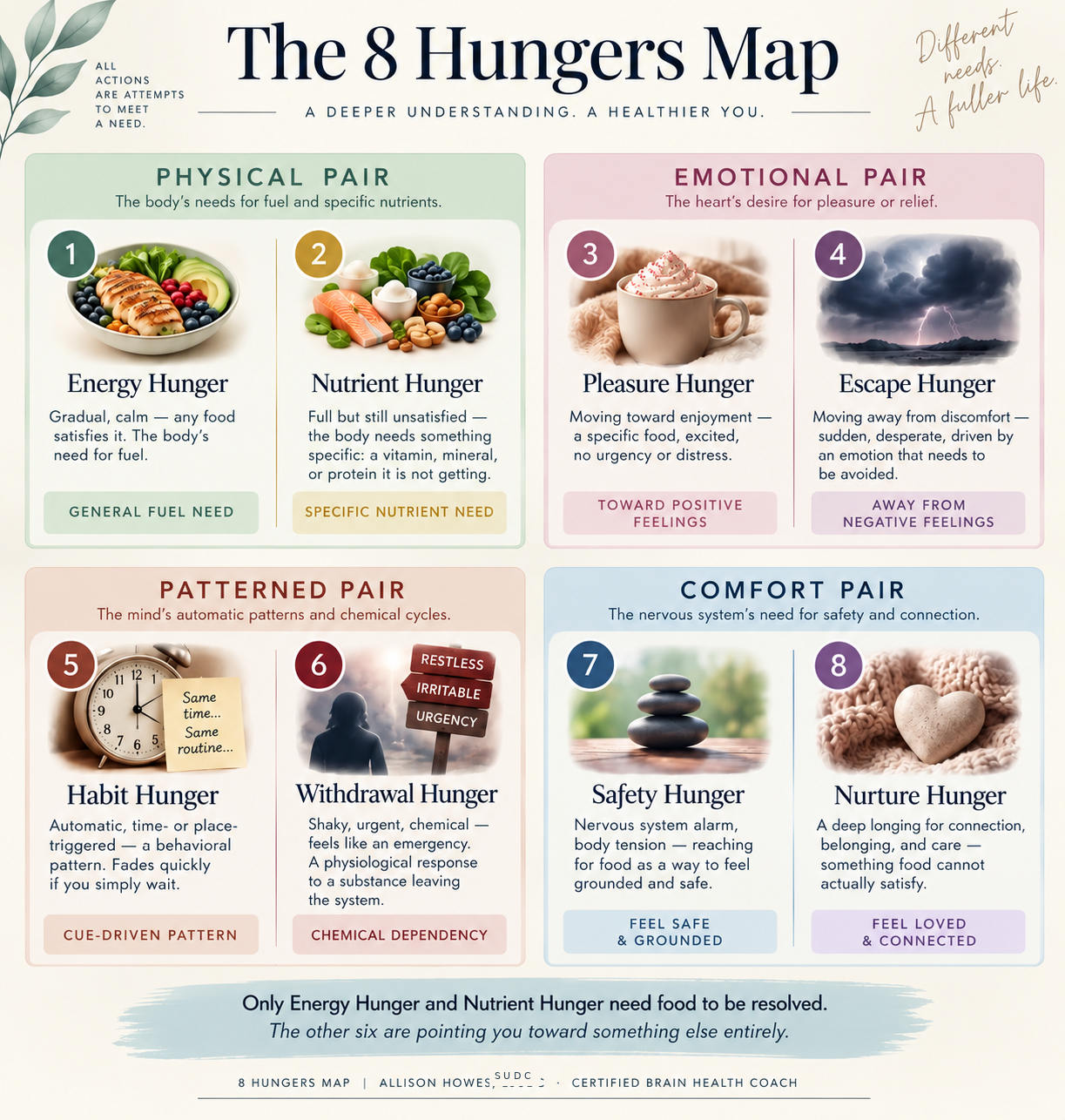
The first six hungers had come in pairs, so it made sense that this new one would also have a partner. The more I thought about it, the clearer it became. I had already identified the physical pair, emotional pair, and patterned pair. Until then, I had seen emotional and comfort eating as the same thing. As I compared it with Maslow’s hierarchy, I realized that the needs for safety and connection were similar but not the same. Safety Hunger is desperate, urgent, and sudden. Nurture Hunger is gentle, soft, persistent, and not urgent. That distinction brought Safety Hunger and Nurture Hunger clearly into focus, and the 8 Hungers Map was born.
The ARF Framework
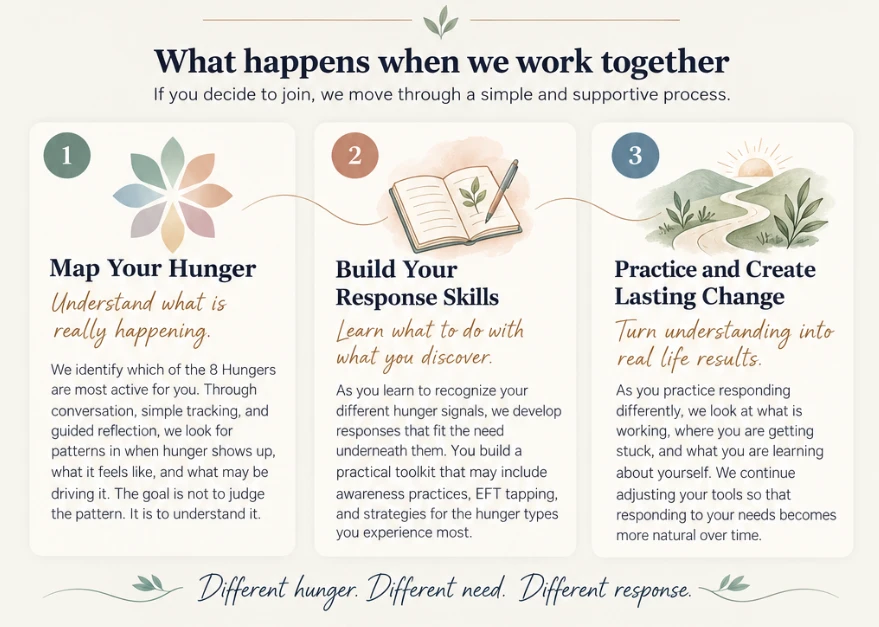
The same three steps apply to every hunger: Awareness, Response, Freedom. It really is that simple. The work comes in pausing long enough to ask what is really going on, and in building the patience and self-compassion to respond with care and conscious choice rather than habit. As you use this process consistently, it leads to freedom where food is concerned.
And yes, ARF sounds like a bark. That’s on purpose. It’s short, it’s playful, and it’s easy to remember. A puppy doesn’t judge its needs. It simply signals them, which is a reminder to notice what you need and respond to the right need without shame.
This is not a diet program. I teach principles, not prescriptions. Nutrition and physiology are part of this work, because understanding how your body works matters. But the foundation is learning to recognize the language your hunger is speaking. Once you learn to hear what your body has been saying all along, you can meet the need that’s actually speaking.
The goal isn’t compliance to a diet plan. It’s clarity about what you actually need.
Credentials and Experience
- Licensed addiction counselor (SUDC), 11 years
- Certified Brain Health Coach, 6 years
- 35 years of personal nutritional research
- EFT (Emotional Freedom Techniques) practitioner
- Food addiction recovery and lived experience
A Note Before You Begin
The 8 Hungers Map is an awareness and coaching program. It is not therapy, and it is not medical or nutritional advice. I am not a registered dietitian or a licensed therapist.
What I offer is a framework: a way of seeing your hunger more clearly so that you can make choices that actually fit your life and your goals. I do not know your body, your history, or your medical situation, and I am not making recommendations about your care. You are the one who decides what fits.
If you are working with a therapist, a physician, or a registered dietitian, this program is designed to sit alongside that work, not replace it.
The work is yours, but you do not have to do it alone.